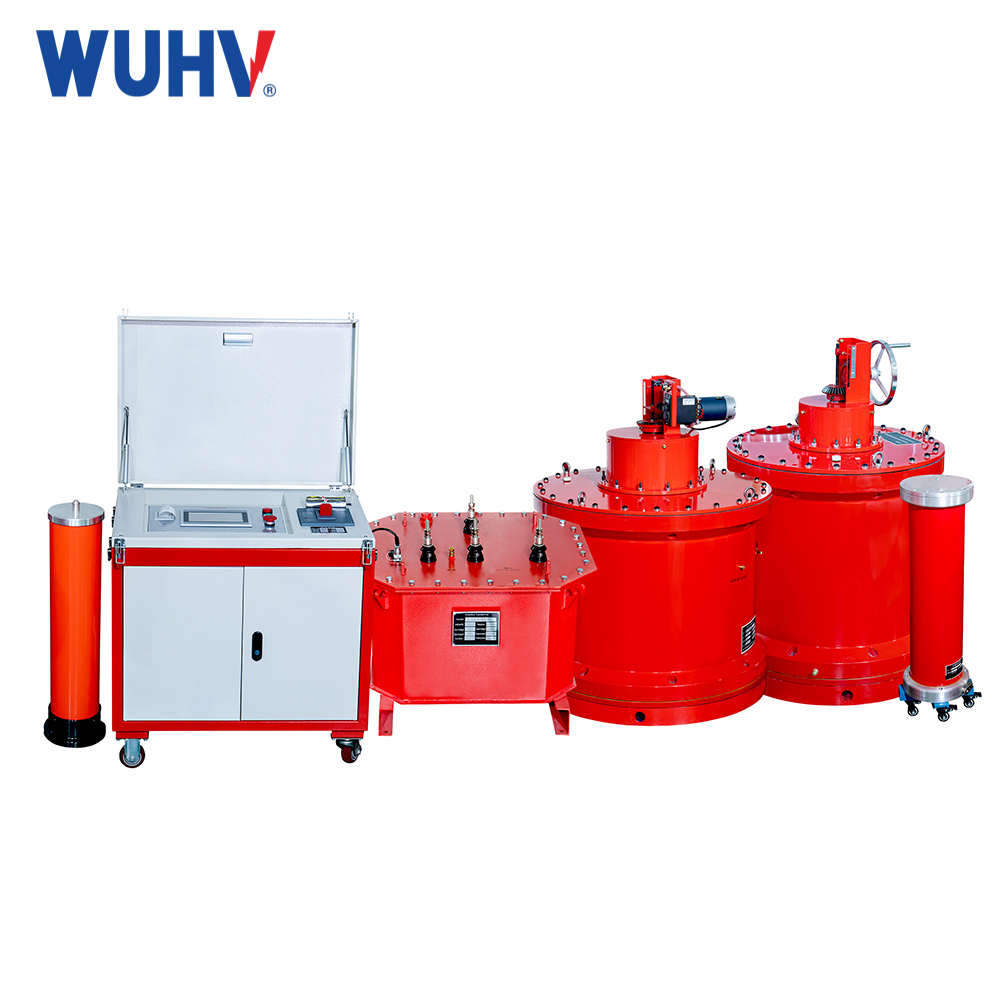
In the daily operation of the power system, equipment factory inspection, and preventive testing, high-voltage testing equipment plays an important role in detecting the insulation performance of electrical equipment, evaluating the operating status, and troubleshooting potential faults. Transformers, cables, switchgear, GIS, and generators with different voltage levels have different requirements for test voltage, output capacity, and testing methods. Therefore, when selecting high-voltage testing equipment, it is not enough to only look at the maximum output voltage of the equipment, but also to make judgments based on the rated voltage, test standards, and actual usage scenarios of the tested equipment.
Determine the testing range based on the voltage level of the tested equipment
When selecting high-voltage testing equipment, the first step is to clarify the type and voltage level of the tested equipment. For example, there are significant differences in the requirements for insulation tests and withstand voltage tests for low-voltage electrical equipment, 10kV distribution equipment, 35kV power equipment, and 110kV and above high-voltage equipment.
For different test objects such as transformers, power cables, circuit breakers, and switchgear, even if the rated voltage is the same, the required test voltage and test methods may vary. Purchasing personnel should determine the test parameters based on relevant national standards, industry standards, or IEC standards, and then select high-voltage testing equipment that can meet the requirements.
It should be noted that the rated voltage of the equipment does not equal the actual test voltage. The parameters for AC withstand voltage, DC withstand voltage, induced withstand voltage, and impulse voltage tests are different, and the specifications of the test equipment cannot be directly determined based solely on the voltage level of the tested equipment.
Select appropriate equipment based on the type of experiment
Different types of equipment are required for different high-voltage testing tasks. Common high-voltage testing equipment includes AC withstand voltage testing devices, DC high-voltage generators, series resonance testing systems, lightning impulse voltage generators, and partial discharge detection equipment.
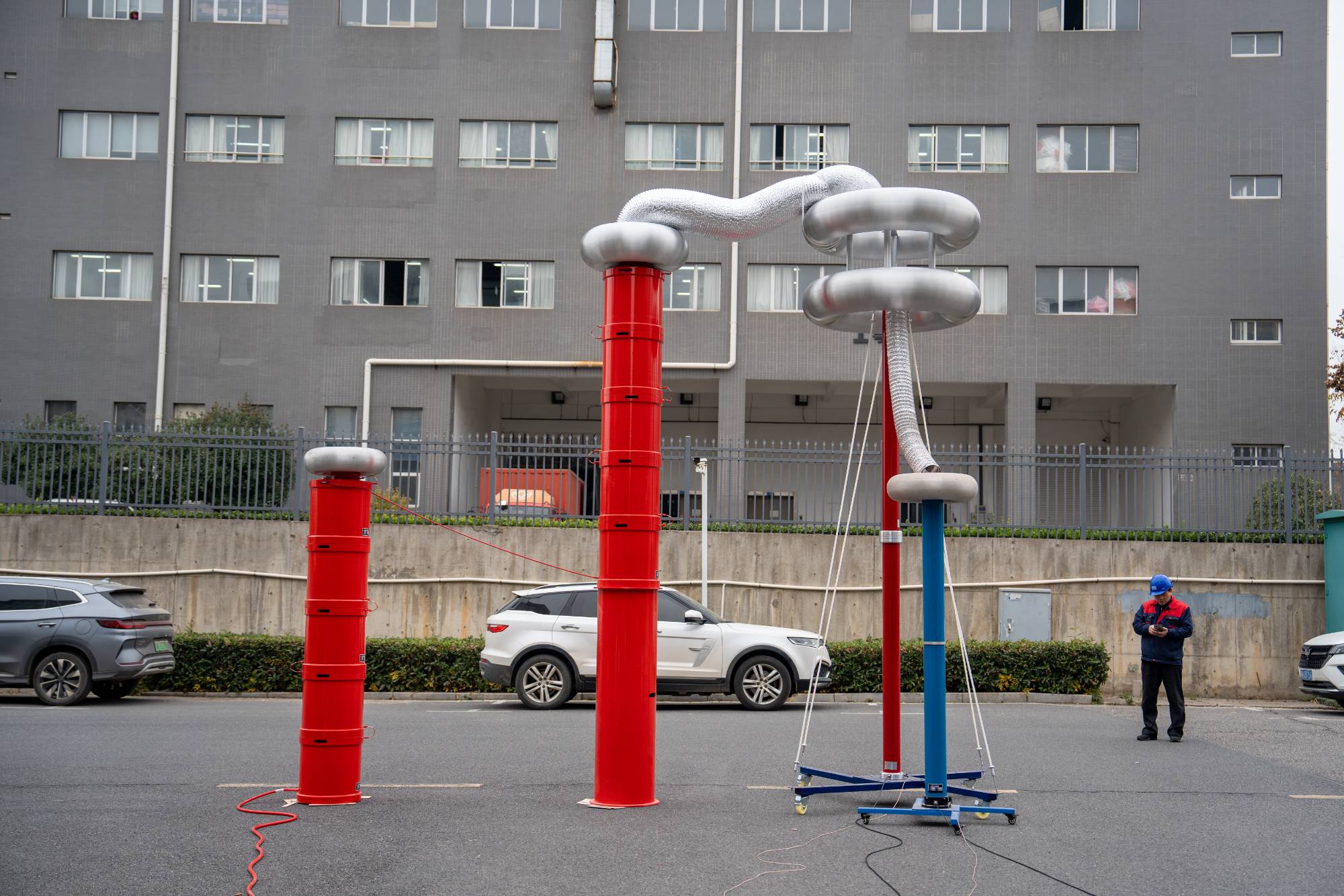
The AC voltage withstand test device is suitable for conducting AC voltage withstand tests on transformers, electrical switches, and other electrical equipment. DC high voltage generators are mainly used for equipment and test projects suitable for testing with DC high voltage. For long-distance power cables, GIS, and other test objects with large capacitance, the series resonance test system can provide the required AC test voltage while reducing the capacity required by the test power supply, while meeting the test conditions.
If it is necessary to detect partial discharge caused by insulation defects, the measurement range, sensitivity, and anti-interference ability of the partial discharge detection equipment should also be considered. When selecting, the test purpose should be determined first, and then the corresponding equipment type should be selected, rather than simply pursuing higher voltage output.
Pay attention to whether the output voltage and capacity match
After determining the voltage level, it is necessary to verify the rated output voltage, output current, rated capacity, and allowable working time of the equipment. For test samples with large capacitance, meeting the test voltage requirements alone does not necessarily mean that the equipment can complete the test normally.
For example, the length and capacitance of power cables can affect the capacity required for AC withstand voltage testing. The higher the test voltage and the larger the capacitance of the test object, the higher the requirements for the output capability of the test system. Therefore, when selecting a series resonance test device, the required capacity should be calculated based on the capacitance of the test sample, the test frequency, and the target voltage, and a reasonable working margin should be reserved.
For transformers and switchgear, the test wiring method, specific parameters of the test object, and on-site power supply conditions should also be considered to ensure stable operation of the equipment under the specified test conditions.
Consider on-site usage conditions and operational safety
High voltage testing equipment should not only meet electrical parameter requirements, but also adapt to the actual working environment. For on-site testing, equipment maintenance, and power engineering construction in substations, the volume, weight, transportation method, and convenience of on-site wiring of equipment may all affect work efficiency.
Portable high-voltage testing equipment is suitable for on-site inspection tasks that require frequent movement; For large power equipment or high-capacity test samples, the system's capacity configuration, modular design, and on-site installation conditions should be given priority consideration.
The security protection function cannot be ignored either. Overvoltage protection, overcurrent protection, zero start, emergency stop, and necessary grounding protection measures can help reduce risks during the testing process. The actual experiment should also follow the equipment operating procedures to set a safe distance, implement grounding measures, and be operated by personnel with corresponding qualifications and abilities.
Select based on subsequent testing requirements
For power testing units that need to simultaneously test multiple electrical equipment, future usage needs should also be considered when selecting high-voltage testing equipment. If testing cables, GIS, and large transformers is the main focus, the series resonance test system can be evaluated with emphasis; If the job mainly involves routine withstand voltage testing, corresponding AC withstand voltage devices or test transformers can be selected based on the test voltage and capacity.
Wuhan UHV Power Technology Co., Ltd. provides a variety of power testing equipment, which can be selected according to different test objects and application scenarios. Before procurement, it is recommended to clarify the type of equipment being tested, rated voltage, test voltage, capacity requirements, and on-site usage conditions in order to further determine the appropriate equipment model and configuration.
Choosing high-voltage testing equipment based on voltage levels requires comprehensive consideration of the rated voltage, test standards, test types, output capacity, and on-site usage conditions of the tested equipment. The voltage range is only the basis for selection, and whether the equipment can meet the actual test requirements also depends on the output capability, measurement performance, and safety protection configuration. Verifying these parameters in advance can help improve testing efficiency, avoid improper equipment configuration, and provide reliable support for insulation testing and safe operation of power equipment.