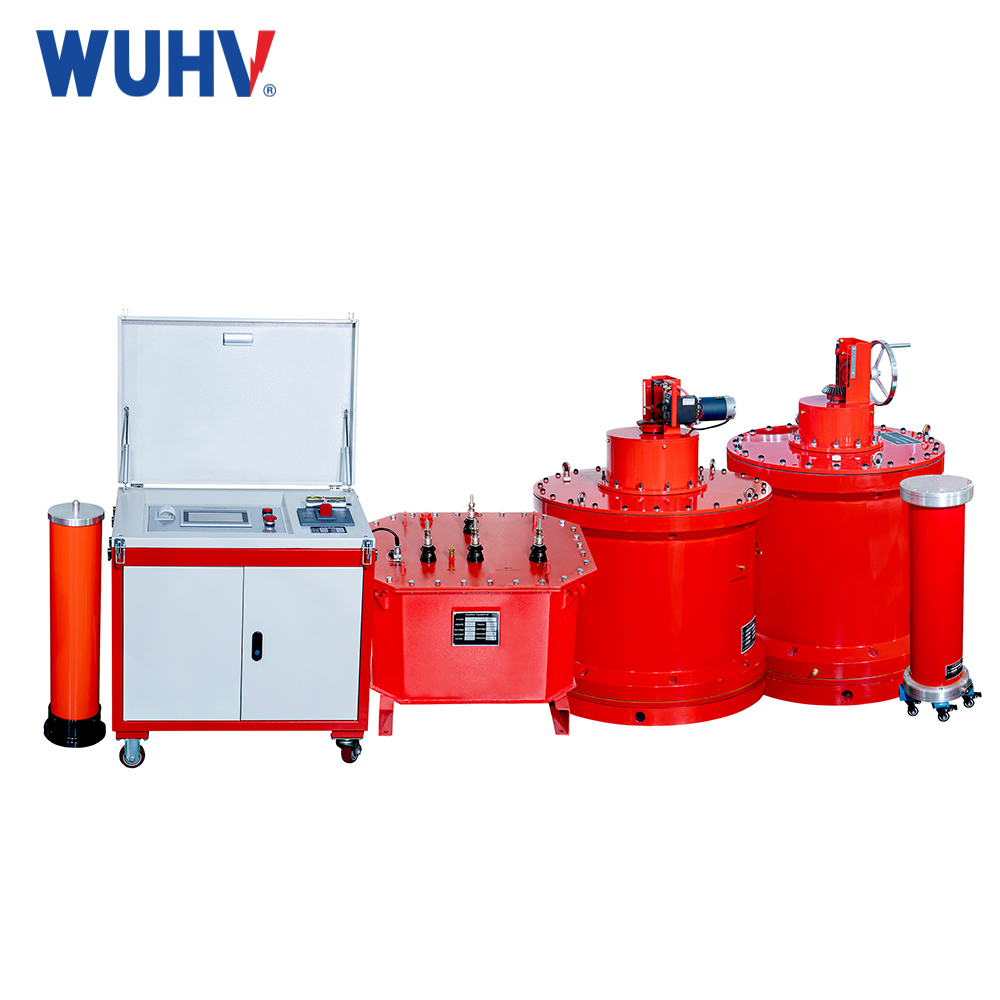
In the handover test and preventive test of power cables, cable capacitance is the core parameter that determines the selection of testing equipment. A 10kV cross-linked polyethylene cable has a capacitance of approximately 0.2 to 0.3 μ F per kilometer. As the length of the line increases, the capacitance value also increases, which poses completely different requirements for the capacity and frequency regulation capability of the testing equipment. The series of technical solutions and engineering practices recently released by Wuhan UHV Power Technology Co., Ltd. have revealed the selection logic based on capacitors for the industry.
Why is capacitance the first variable for selection
Cables are essentially typical capacitive loads. The larger the capacitance, the greater the capacitive current required at the same test voltage, and the testing equipment must provide sufficient current output capability to complete the boost. The reason why series resonant devices have become the mainstream choice for cable withstand voltage testing is precisely because they utilize the resonance characteristics of reactors and the capacitance of the tested object to "leverage" high voltage output with a smaller power supply capacity. The resonant frequency is determined by the formula f ₀=1/(2 π√ LC). When the cable capacitance changes, the inductance of the reactor must be adjusted to ensure that the resonant frequency falls within the compliant range of 30 to 300Hz. This means that the essence of selection is not to choose a device with a sufficiently high nominal voltage, but to choose a system solution that can match the capacitance, reactor combination, and power capacity of the test sample.
Three step selection method starting from capacitors
Wuhan UHV has demonstrated a clear selection path in multiple technical solutions. The first step is to calculate the capacitance range of the test sample. Taking a 300mm ² cable as an example, the capacitance per kilometer for 10kV level is about 0.375 μ F, for 35kV level it is about 0.194 μ F, and for 110kV level it is about 0.188 μ F. The second step is to determine the series parallel combination of the reactor based on the capacitance value. Short cables have small capacitance and require multiple reactors in series to increase inductance and lower the resonant frequency to the compliant range; If the capacitance of a long cable is large, a reactor part needs to be connected in parallel to reduce the inductance and increase the current carrying capacity. The third step is to verify whether the device capacity has sufficient margin. In the Wuhan UHV scheme, the UHV-810kVA/270kV device can meet the withstand voltage test of 1km of 110kV/630mm ² cable, with a corresponding capacitance of ≤ 0.188 μ F; The UHV-540kVA/270kV device covers 1.8km of 35kV/300mm ² cable with a capacitance of ≤ 0.3501 μ F.
Alternative ideas for capacitor matching in ultra-low frequency devices
For cables of 35kV and below, very-low frequency withstand voltage equipment provides another selection path. The very-low frequency test reduces the test frequency to 0.1Hz, the capacitive current is only 1/500 of the power frequency, and the equipment volume and weight are greatly reduced. The very-low frequency high voltage generator of Wuhan UHV supports frequencies ranging from 0.05Hz to 0.2Hz, and can adapt to a capacitance range of 0.1 μ F to 100 μ F. After selecting "cable mode" or "capacitor mode" on the touch screen, the instrument will automatically match the boost rate and withstand time, without the need for manual conversion of different equipment standards.
Verification of capacitance data in practical engineering
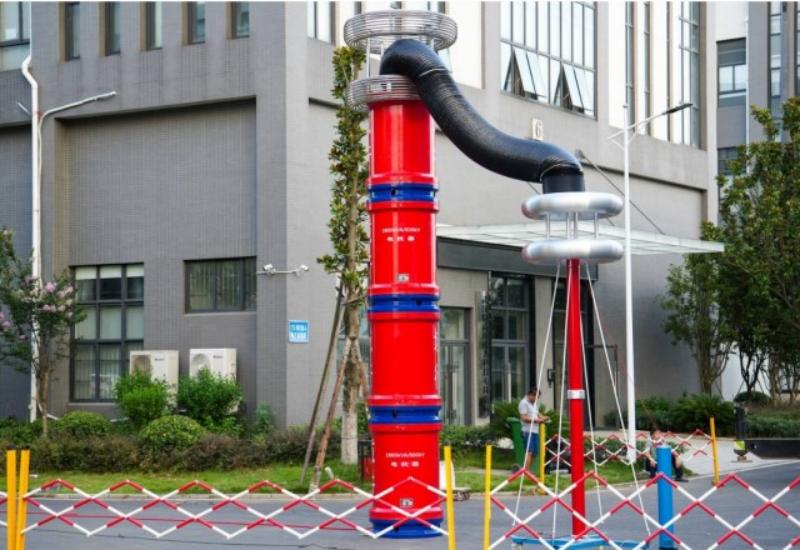
From 2025 to 2026, Wuhan UHV has accumulated measured data based on capacitor selection in multiple on-site projects. In the Hangzhou project, the 110kV and 8-kilometer long cables were tested for voltage resistance using UHV series series resonant devices, and all indicators met the requirements. In the Chongqing project, the measured capacitance of the 10kV/300mm ² cable for 8km was ≤ 3.004 μ F, and the measured capacitance of the 35kV cable for 3km was ≤ 0.5835 μ F, both of which were within the equipment design capacity range. These data, in turn, validate the effectiveness of the selection logic of "calculating capacitors first, then configuring equipment".
From the perspective of industry trends, with the continuous increase in the proportion of long-distance cable lines in urban network renovation and new energy transmission projects, precise selection based on capacitance parameters is rising from technical experience to engineering standards. Choosing the right series parallel combination of reactors and leaving sufficient capacity margin can better ensure the success rate of the test than simply pursuing high indicators of equipment nominal voltage.