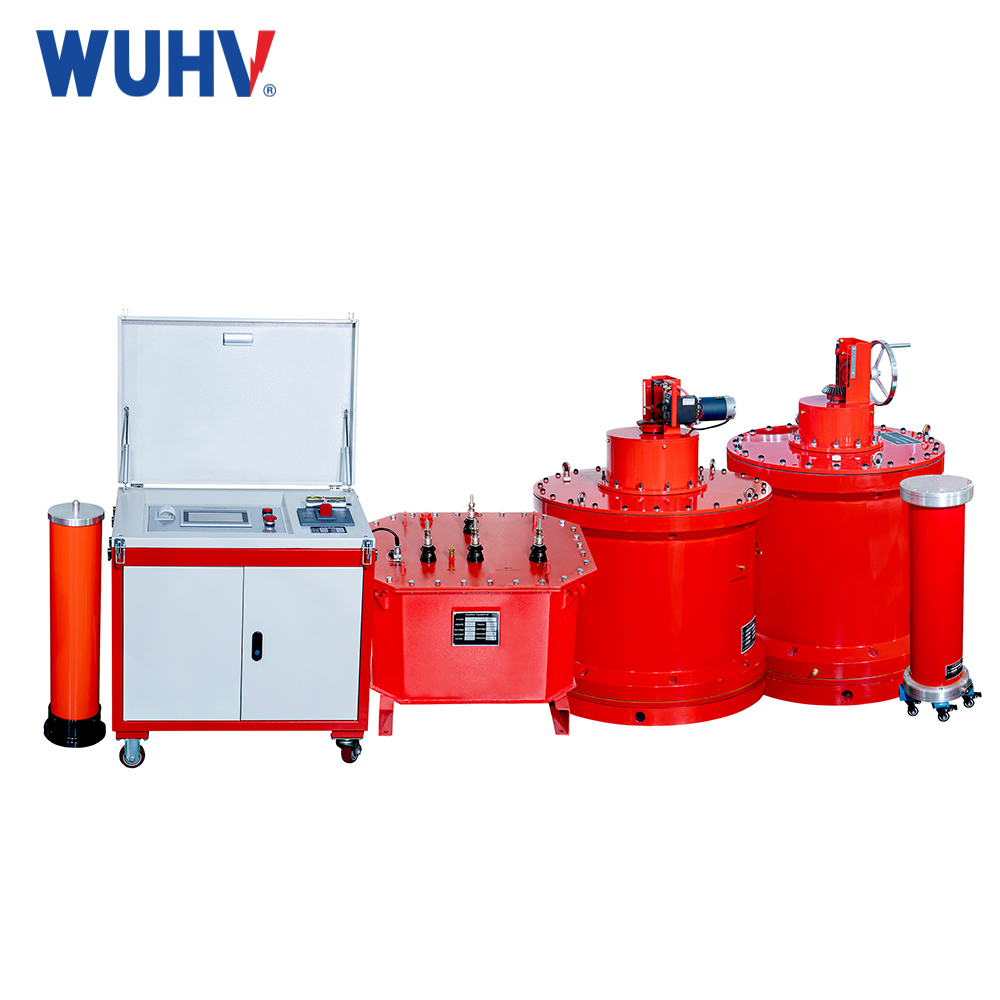
In the electronic world, stable operation of circuits is crucial. But sometimes, even if we are cautious, we may encounter various obstacles. Among them, accurate measurement of circuit grounding resistance is particularly important. Today, let's talk about how to use a reliable assistant - a resistance circuit tester, to make your circuit testing twice as efficient.
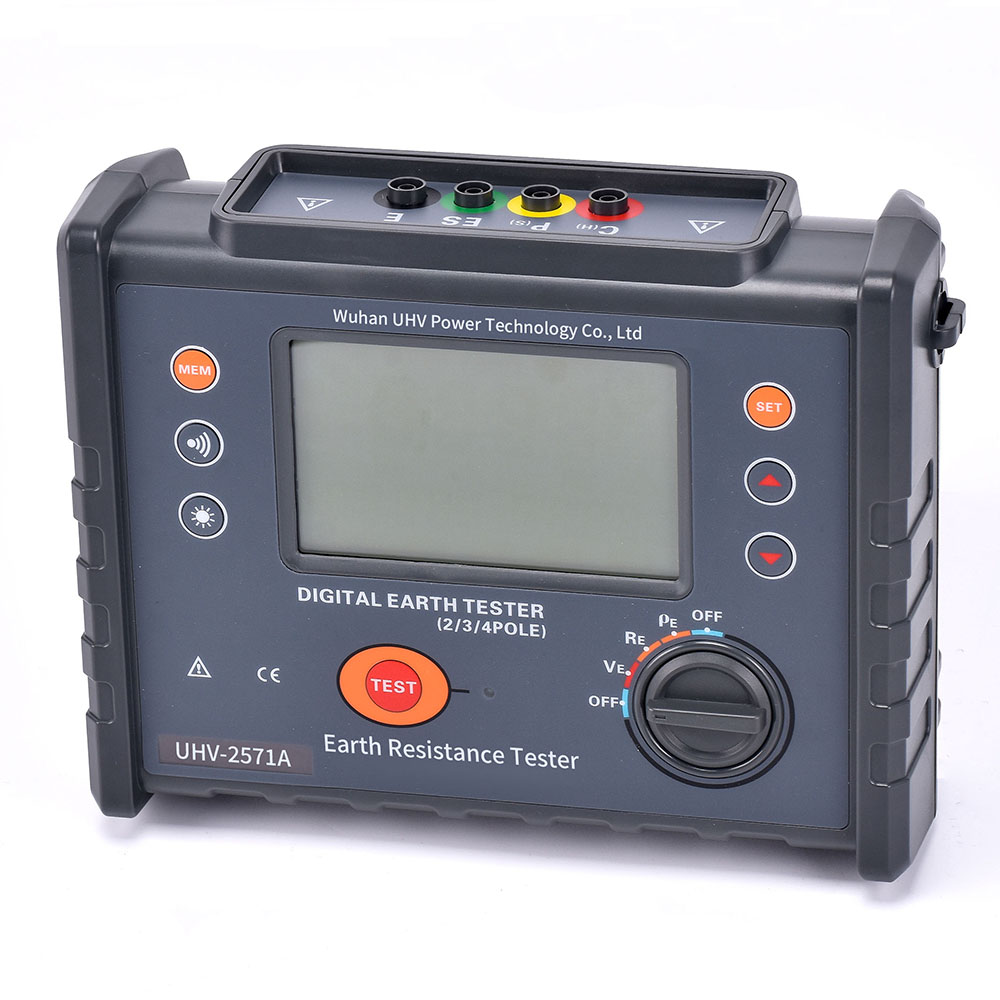
What is a resistance circuit tester?
Simply put, a resistance circuit tester is an instrument specifically designed to measure the resistance of the grounding circuit in a circuit. It calculates the total resistance of the grounding circuit by injecting a certain current and measuring the voltage drop. This value is directly related to the safety performance of electrical equipment, especially in the event of a fault, whether the fault current can be quickly and effectively introduced into the ground to protect personal and equipment safety.
What are the "behind the scenes" factors that affect grounding resistance?
To make the grounding resistance test results more reliable, you need to first meet a few troublemakers:
Soil resistivity: This is the most fundamental influencing factor. The humidity, composition, and temperature of soil can affect its conductivity, which in turn affects the contact resistance between the grounding electrode and the soil.
The size and burial depth of the grounding electrode: The larger the length and diameter of the grounding electrode, the deeper it is buried, the larger the contact area with the soil, and the lower the grounding resistance.
Distance between grounding electrodes: If a grounding grid is composed of multiple grounding electrodes, if they are too close, they will affect each other and cause an increase in overall grounding resistance.
The quality of connecting conductors: whether the connection of grounding down conductors, grounding main lines, etc. is firm, corrosion conditions, etc., will directly affect the resistance of the entire circuit.
Clever use of tools to make testing more accurate
The first step to accurate measurement is to choose the appropriate tool. The advanced equipment provided by Wuhan UHV Power Technology Co., Ltd. can effectively solve this problem. Their resistance circuit tester is easy to operate, has high measurement accuracy, and can quickly identify potential problems in the grounding circuit.
What is closely related to the resistance circuit tester?
The application of resistance circuit tester is closely related to concepts such as electrical safety, equipment protection, and power system stability. A good grounding system is the cornerstone of safe electricity use in industrial plants, construction sites, and households.
How can we do better? The path of continuous improvement in testing
Choose the appropriate testing method: Based on the actual situation, choose testing methods such as three line method and four line method to ensure the accuracy of the measurement results.
Follow operating procedures: strictly follow the instrument manual and relevant regulations to avoid false measurements.
Regular testing and maintenance: Regularly use the grounding resistance tester of Wuhan UHV Power Technology Co., Ltd. for testing, and perform necessary maintenance on the grounding device, such as rust removal, reinforcement of connections, etc.
Comprehensive analysis of data: Compare the test results with historical data and national standards to comprehensively evaluate the safety status of the grounding system.
Mastering these, your circuit testing is absolutely "stable"!
By gaining a deep understanding of grounding resistance and utilizing the professional equipment of Wuhan UHV Power Technology Co., Ltd., we can more effectively ensure the safety and stability of the electrical system. This is not only the application of technology, but also a high sense of responsibility for safety.
Frequently Asked Questions (FAQ)
Q1: Why is my ground resistance test value always unstable? A1: The instability of the grounding resistance value may be affected by various factors such as soil moisture, temperature changes, the accuracy of the testing instrument itself, and poor contact at the testing point. Make sure to conduct the test in dry weather and carefully check the connection of the test wire and clamp.
Q2: What is the national standard for the reading of the grounding resistance tester? A2: National standards have different requirements for different types of grounding devices. For example, the grounding requirement for general industrial and civil buildings is not greater than 4 ohms, while some special occasions (such as areas with high lightning risk) have stricter requirements. The specific values need to refer to relevant national standards or industry specifications.
Q3: What other electrical safety tests are necessary besides grounding resistance? A3: In addition to grounding resistance testing, leakage protection device testing, insulation resistance testing, circuit resistance testing (non grounded circuits), etc. are also important links to ensure electrical safety.
Q4: How can I choose a suitable grounding resistance tester for my project? A4: When choosing, consideration should be given to testing accuracy requirements, measurement range, ease of operation, instrument portability, and brand reliability. Wuhan UHV Power Technology Co., Ltd. can provide professional advice based on your specific needs.
Q5: What aspects should be paid attention to in the maintenance of grounding devices? A5: Maintenance mainly includes checking the firmness of grounding down conductors and connection points, whether there is corrosion, regularly measuring grounding resistance, and reinforcing or replacing grounding bodies if necessary.