Are you curious why some materials can safely isolate current while others leak heavily? Behind this, the two key indicators of dielectric constant and dielectric loss play important roles. Today, let's talk about what they are and how they affect the safe operation of our power equipment.
What are dielectric constant and dielectric loss?
Simply put, the dielectric constant (also known as relative permittivity) reflects a material's ability to store electric field energy under the action of an electric field. The higher the value, the stronger its ability to store electric field energy. Imagine, it's like the material's ability to absorb energy.
And dielectric loss is the phenomenon of energy loss inside insulating materials under the action of an electric field, and this lost energy is usually converted into heat. The lower the value, the less "energy waste" the material has, the poorer its thermal conductivity, the less likely it is to generate heat, and the better its insulation performance.
What are the influencing factors?
These two 'good friends' do not exist in isolation, they are influenced by many factors:
Temperature: An increase in temperature usually leads to changes in dielectric constant and dielectric loss, especially in some polymer materials where the changes are more pronounced.
Humidity: Moisture is the "enemy" of insulation materials. An increase in humidity can significantly increase dielectric loss and may even lead to breakdown.
Frequency: The higher the frequency of alternating current, the greater the changes in dielectric constant and dielectric loss, which is particularly important in high-frequency applications.
The properties of the material itself, such as different material structures, molecular polarities, impurity contents, etc., will directly affect its dielectric constant and dielectric loss.
Don't worry, there are "artifacts" to help!
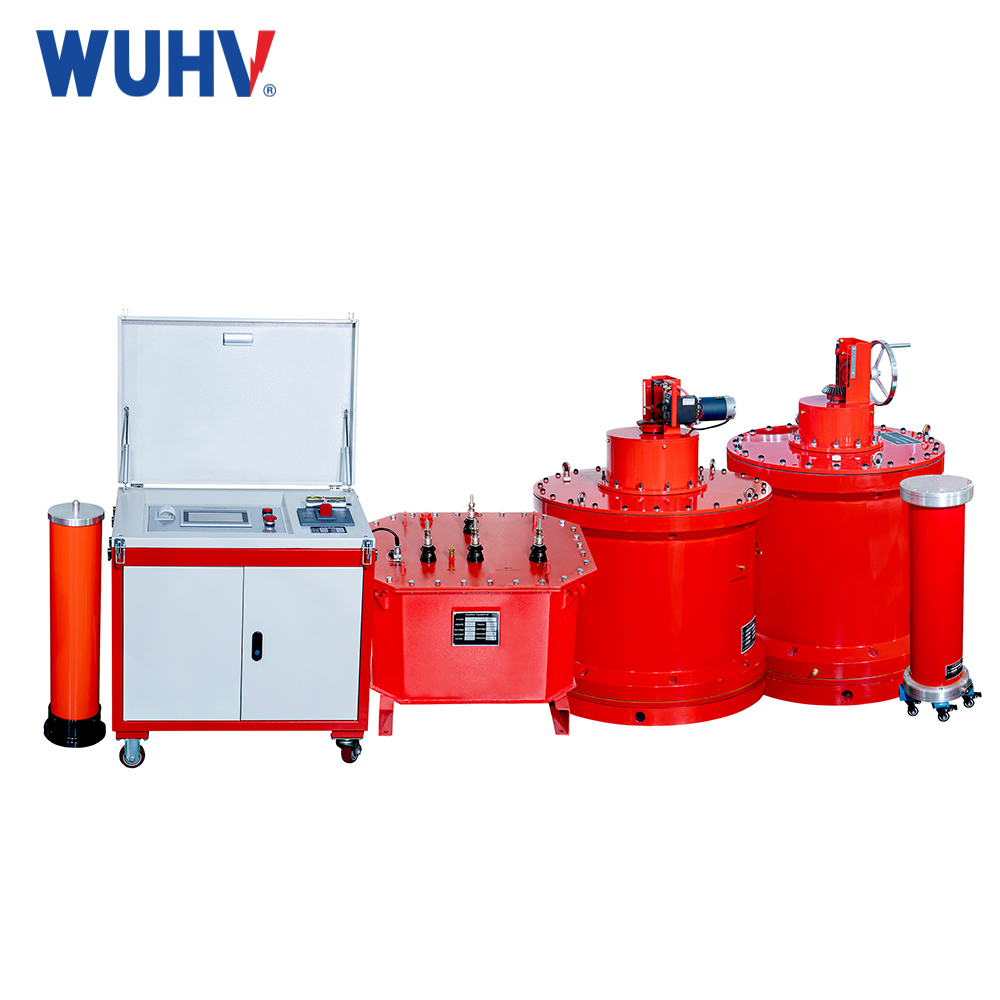
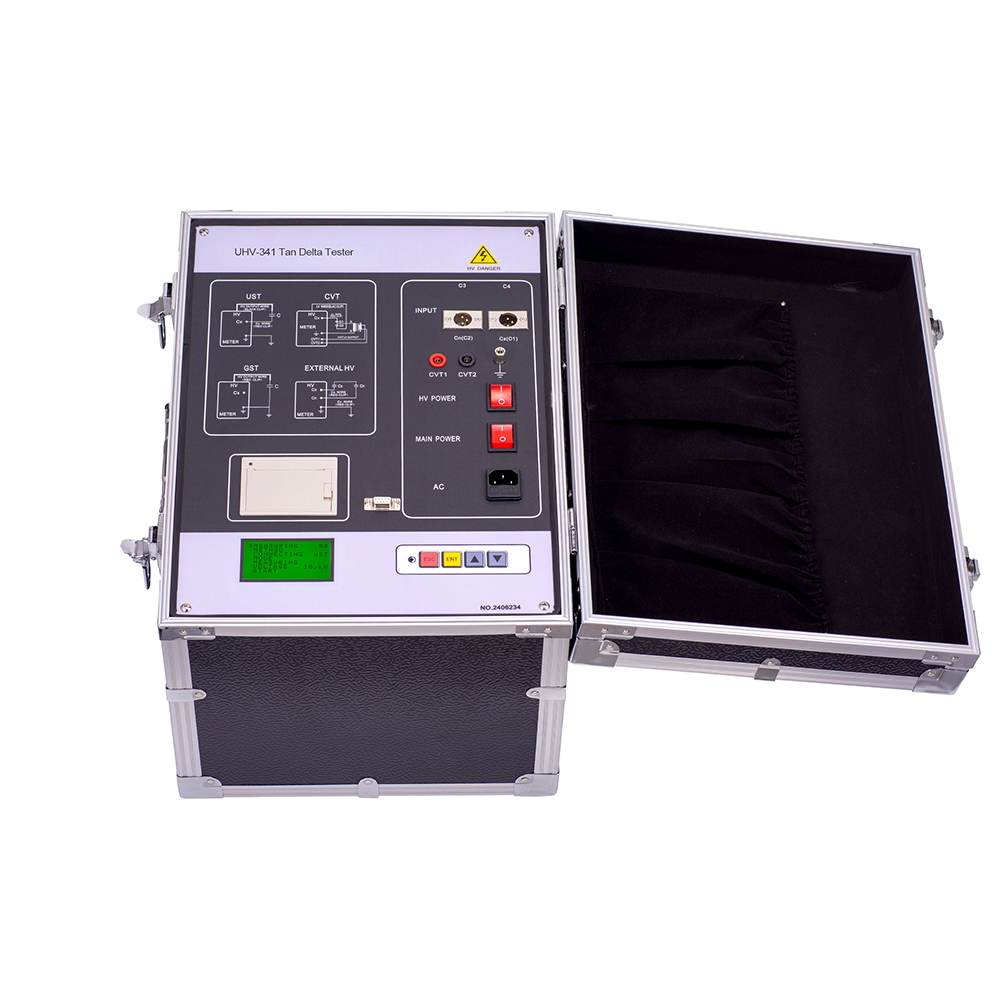
Faced with these complex changes, we cannot guess blindly. Fortunately, there are professional testing instruments to assist us. The dielectric constant dielectric loss tester provided by Wuhan UHV Power Technology Co., Ltd. is such a "miracle tool". It can accurately measure the dielectric constant and dielectric loss tangent of insulation materials (another commonly used indicator for measuring dielectric loss), providing us with reliable measurement data.
Why is it so important to pay attention to them?
Equipment safety: Good insulation performance is the cornerstone of safe operation of power equipment. Through testing, we can promptly detect issues such as material aging and moisture, preventing insulation breakdown accidents from occurring.
Performance evaluation: When selecting insulation materials, dielectric constant and dielectric loss are important evaluation indicators that directly affect the efficiency and lifespan of the equipment.
Quality control: For material manufacturers and equipment manufacturers, accurate test data is an important guarantee for product quality.
How can we do better?
To obtain more accurate test results, there are a few small suggestions:
Standardized operation: Strictly follow the instructions of the testing instrument to ensure the stability of the testing environment (temperature, humidity, etc.).
Sample preparation: The surface cleanliness and thickness uniformity of the sample can affect the testing accuracy, so it is necessary to make sufficient preparations.
Data analysis: Based on the actual usage environment and equipment requirements, scientifically analyze the test data instead of simply looking at numbers.
Regular calibration: Regularly calibrate the testing instruments to ensure their measurement accuracy. Wuhan UHV Power Technology Co., Ltd. can also provide professional support in this regard.
Pay attention to these, get twice the result with half the effort!
Performance of insulation materials
Loss of dielectric
Insulation of high-voltage electrical equipment
Status monitoring of power equipment
Electrical parameters of materials
Measurement of dielectric loss
Determination of dielectric constant
Insulation aging diagnosis
Frequently Asked Questions (FAQ)
Q1: Why do temperature and humidity have such a significant impact on the results when measuring dielectric constant and dielectric loss?
A1: Temperature and humidity can affect the motion state of molecules inside the material and the migration ability of charge carriers. Rising temperature usually increases molecular motion, promotes charge transfer, and thus changes the dielectric properties of materials. An increase in humidity, especially when water molecules enter the interior of the material, significantly increases conductivity, leading to a sharp increase in dielectric loss.
Q2: Which indicator is more important, dielectric constant or dielectric loss?
A2: Both of these indicators are very important as they reflect the insulation performance of materials from different perspectives. A high dielectric constant means that the material can store more electrical energy, which has advantages in certain applications such as capacitors. Low dielectric loss represents less energy loss and less heat generation of the material in the electric field, which is the primary consideration for insulation materials in most high-voltage electrical equipment and can effectively prevent insulation aging diagnosis problems.
Q3: Apart from temperature and humidity, what other factors can affect dielectric loss?
A3: The structure, molecular polarity, presence of impurities, testing frequency, and mechanical damage of the material itself can all affect the dielectric loss.
Q4: My device seems to be overheating a bit. Is it related to the dielectric constant or dielectric loss?
A4: It is possible. If the performance of the insulation material of the equipment decreases, such as excessive dielectric loss, the heat generated during operation will increase, leading to an overall temperature rise of the equipment. It is recommended to use a dielectric constant dielectric loss tester to test insulation materials and evaluate the status monitoring of power equipment.
Q5: I am an insulation material manufacturer, how can I ensure that my products meet the requirements?
A5: Strict measurement of electrical parameters and quality control of materials are key. Use high-precision instruments for measuring dielectric loss and determining dielectric constant to randomly inspect each batch of products, and determine whether the products are qualified according to relevant industry standards. Wuhan UHV Power Technology Co., Ltd. can provide you with testing equipment that meets industry standards.