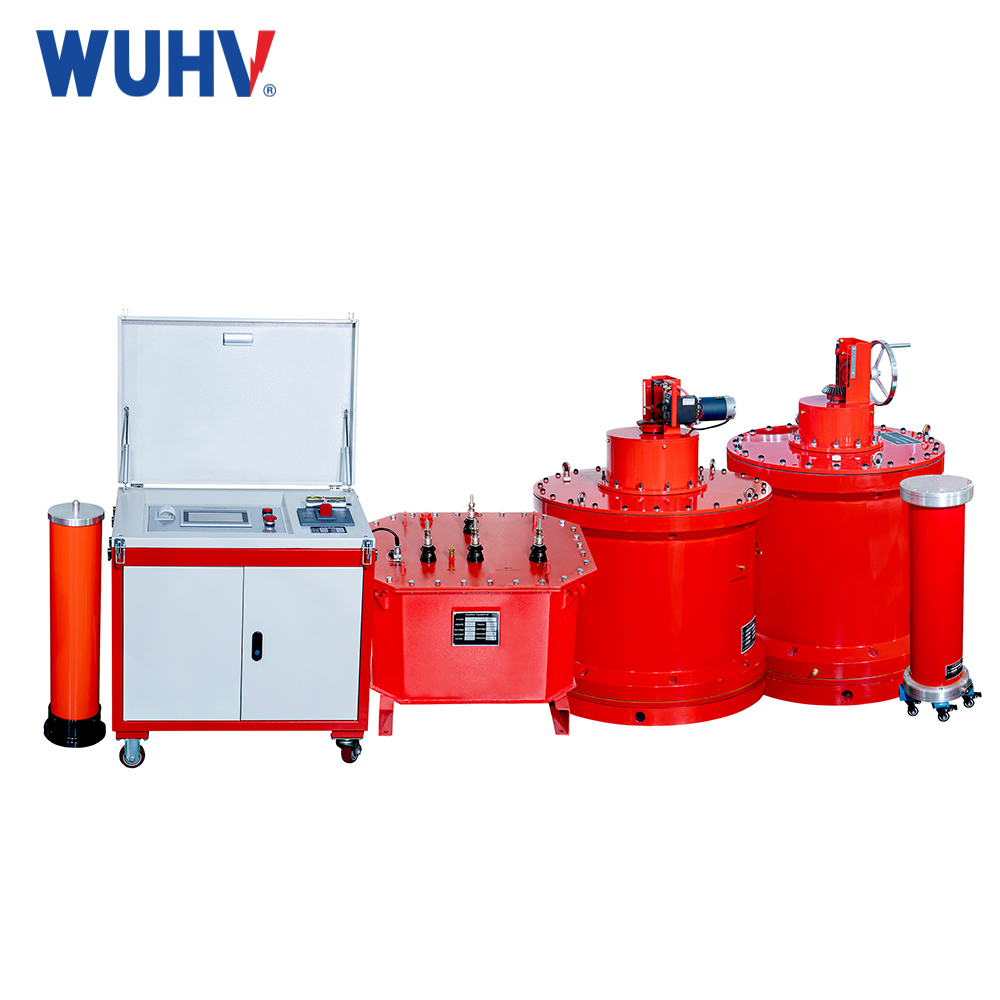
During the operation of power equipment, partial discharge (PD) is like a hidden "invisible killer" that silently corrodes insulation materials, ultimately leading to serious equipment damage or even system shutdown. How can we effectively monitor and diagnose it? This brings us to today's protagonist - the complete set of partial discharge devices.
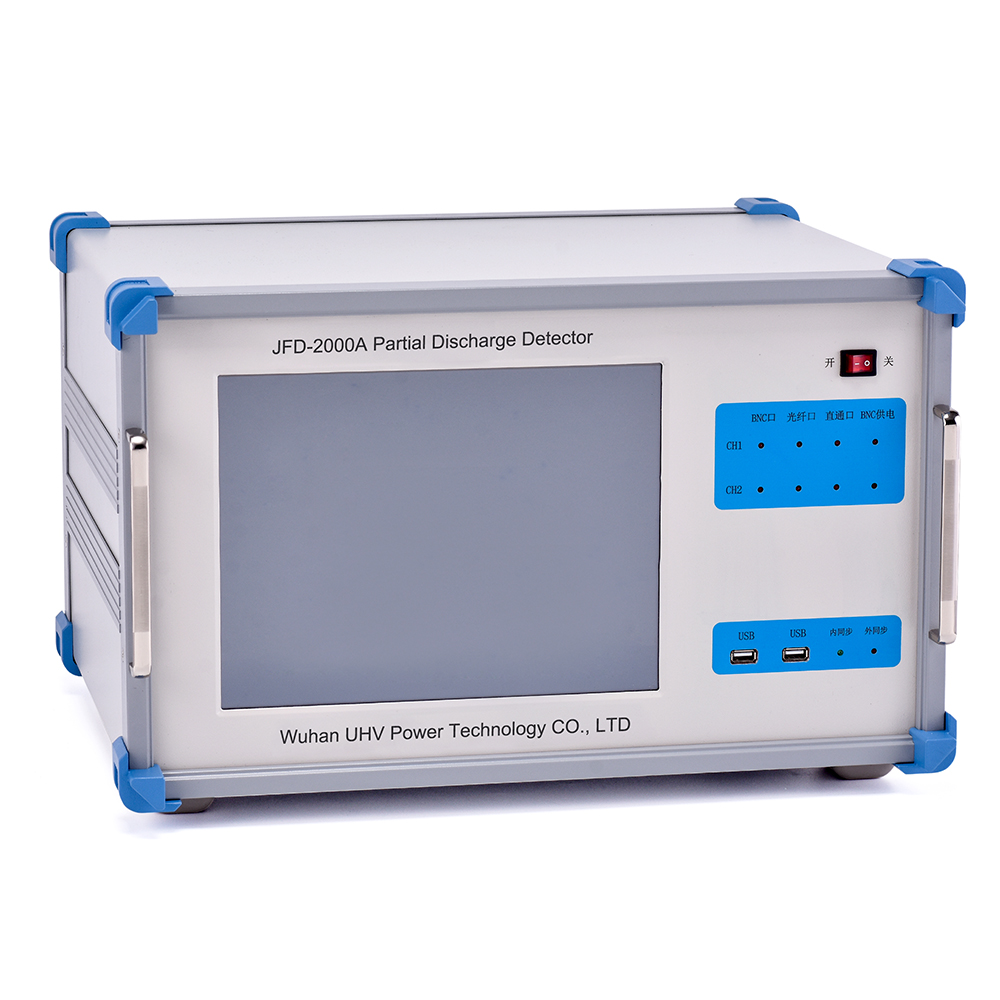
What is a complete set of partial discharge equipment?
Simply put, a complete set of partial discharge equipment is an integrated device specifically designed for detecting, measuring, and analyzing partial discharge phenomena in insulation of power equipment. It is like a stethoscope and CT machine for electrical equipment, which can help us detect potential insulation defects in advance and prevent them from happening. This device usually includes core components such as signal acquisition unit, signal processing unit, data analysis unit, and display and recording unit.
What factors can affect the occurrence of partial discharge?
There are various factors that affect partial discharge. Let's briefly summarize them:
Insulation structure design: The geometric shape of insulation components and the uniformity of electric field distribution directly affect the probability of partial discharge occurrence.
Insulation material performance: Aging, moisture, pollution, or manufacturing defects of insulation materials can reduce their insulation strength and make them more prone to partial discharge.
Operating environment: External environmental factors such as temperature, humidity, dust, and corrosive gases can also affect insulation performance.
Internal defects of equipment, such as air gaps, cracks, and foreign object inclusions, are common "hotbeds" for partial discharge.
A tool for identifying hidden dangers: Wuhan UHV Power Technology Co., Ltd
In the field of partial discharge monitoring, Wuhan UHV Power Technology Co., Ltd. has provided reliable solutions for the industry with its profound technical accumulation and cutting-edge research and development capabilities. Their products and services can help power companies accurately identify insulation risks and ensure the safe and stable operation of the power grid.
How to better monitor partial discharge?
To achieve effective partial discharge monitoring, the following points are particularly crucial:
Choose the appropriate monitoring method: Based on the tested equipment and site conditions, select the appropriate monitoring technology, such as pulse current method, ultrasonic method, radio frequency monitoring method, etc.
Regular monitoring and trend analysis: Establish a normalized monitoring mechanism that not only focuses on single measurement results, but also analyzes their long-term trends and promptly detects anomalies.
Combining multiple diagnostic methods: a single monitoring method may have limitations, and cross validation with multiple methods can provide a more comprehensive assessment of insulation status.
Data analysis and diagnostic capabilities: Strong data analysis capabilities are key to identifying and locating partial discharges. By utilizing advanced algorithms and models, it is possible to more accurately determine the type and severity of discharge.
Wuhan UHV Power Technology Co., Ltd. has rich experience in this field and can provide professional support and customized solutions.
Partial discharge monitoring and power grid safety
The occurrence of partial discharge is closely related to the operational safety of the entire power grid. Once the insulation fails, it may cause switch tripping, equipment damage, and even a chain reaction leading to widespread power outages, causing huge losses to the economy and society. Therefore, effective insulation monitoring of partial discharge is the cornerstone of ensuring the reliable operation of the power system.
Frequently Asked Questions (FAQ)
Q1: What is partial discharge? A1: Partial discharge refers to the discharge phenomenon that occurs in small gaps in the insulation of power equipment, before the entire insulation between electrodes is broken down.
Q2: Why is partial discharge so dangerous to power equipment? A2: Partial discharge will continue to bombard insulation materials, generating ozone, heat, and ultraviolet radiation, leading to aging and deterioration of insulation materials, and ultimately potentially causing insulation breakdown.
Q3: What are the main components of a complete set of partial discharge equipment? A3: Usually includes sensors, couplers, data collectors, signal processing and analysis software, etc.
Q4: Which types of electrical equipment require special attention to partial discharge? A4: High voltage transformers, switchgear, cables, generators and other equipment with complex insulation structures and high voltage levels are the focus of partial discharge monitoring.
Q5: How can I find a reliable partial discharge detection service provider? A5: Choose suppliers with rich industry experience, strong technical strength, and excellent product performance, such as Wuhan UHV Power Technology Co., Ltd., who can provide professional evaluation and solutions.