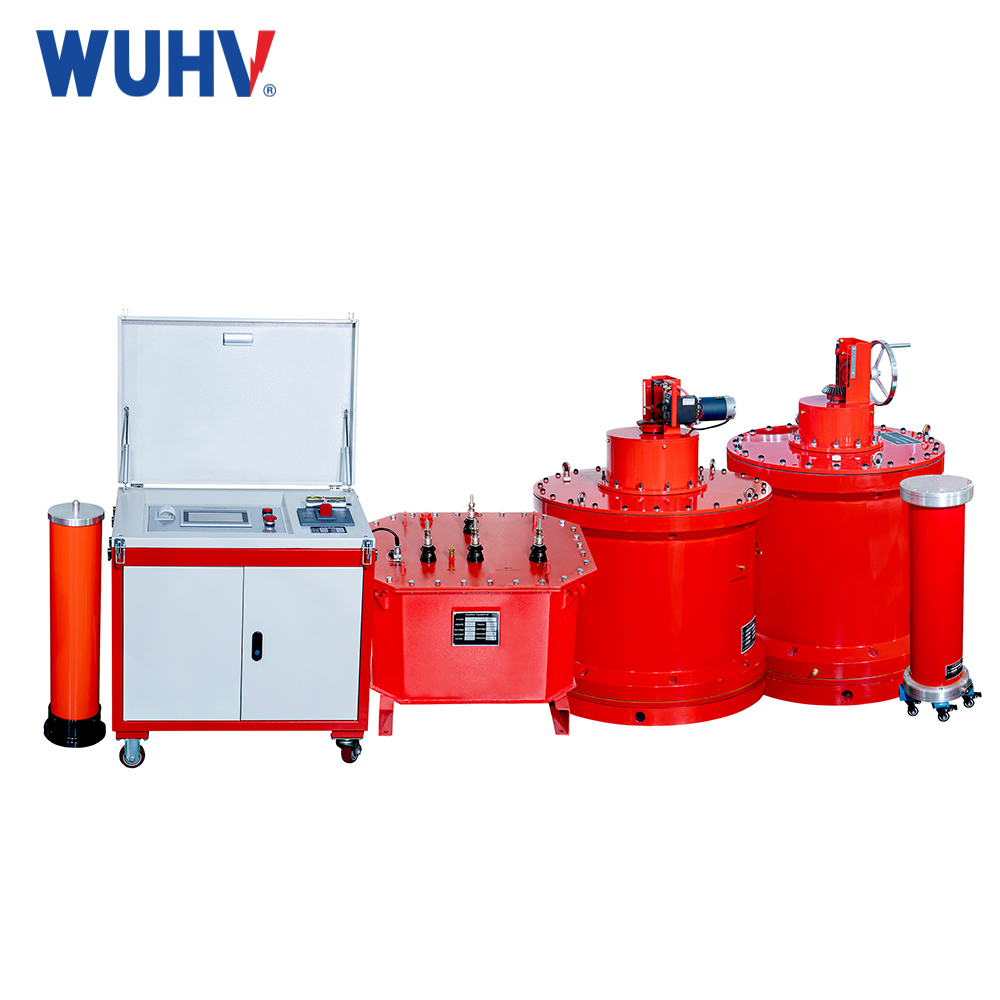
In the vast and complex power system, there are many "behind the scenes heroes" silently guarding the stability and safety of power transmission. Today, let's talk about one of them - CT analyzer. You may not be familiar with it, but its role is significant, and it can be said to be an important tool for "health check ups" of electrical equipment.
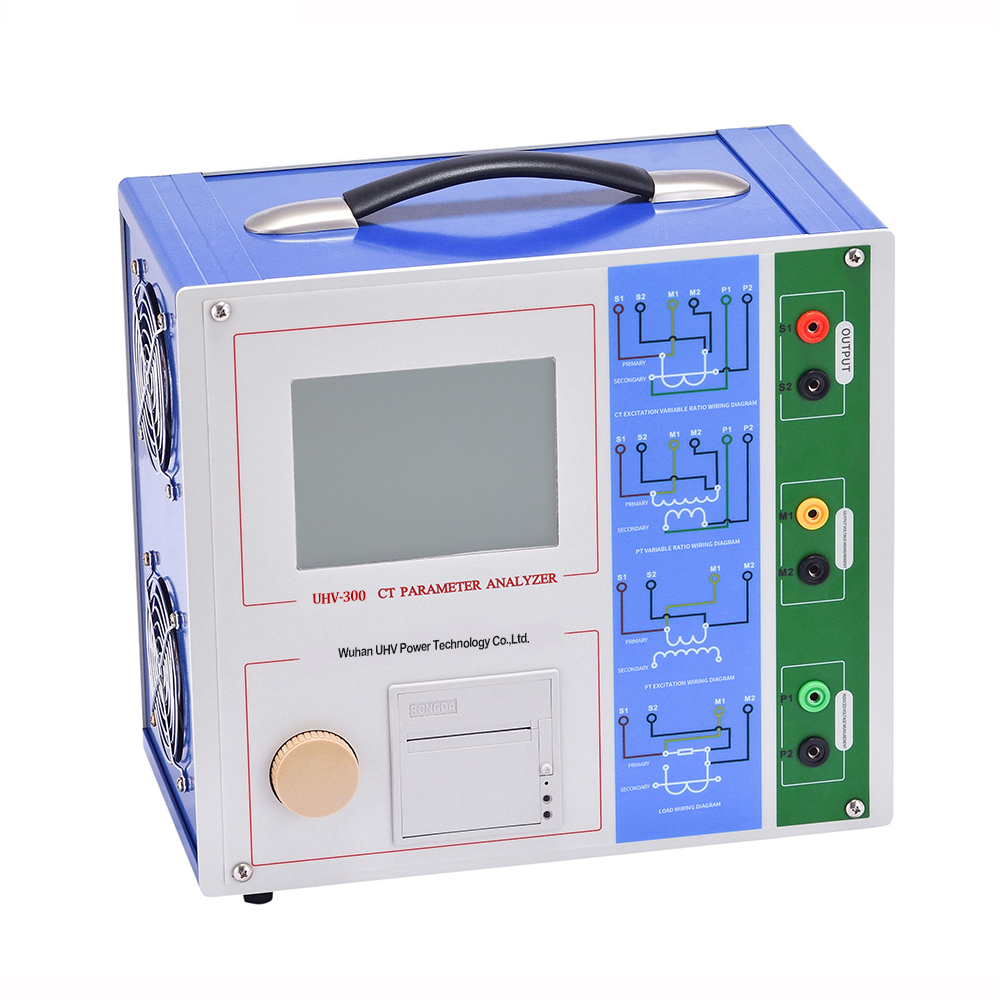
What is a CT analyzer?
Simply put, a CT analyzer is an instrument specifically designed to test the performance of a current transformer (CT). Transformers play the role of "translators" in power systems. They can convert raw signals of high voltage and high current into signals of low voltage and low current in a certain proportion, which are used for measuring instruments, protective devices, etc. If there is a deviation in the performance of the transformer, it can be troublesome, ranging from inaccurate measurement to protection misoperation or refusal, affecting the stable operation of the entire power grid.
The 'things' that affect CT performance
Raw materials and manufacturing process: The quality of the iron core material and winding inside the transformer, as well as the precision during the manufacturing process, directly determine its basic performance.
Operating environment: Prolonged exposure to harsh environments such as high temperature, high humidity, and pollution can cause the transformer to age and reduce its insulation performance.
Overload and short circuit: Severe overload or frequent short circuit impact may also cause permanent damage to the transformer.
Aging and wear: As the service life increases, materials will naturally age and internal wear will also increase, resulting in their characteristics deviating from the standard.
Intelligent detection, the "signature skill" of Wuhan UHV Power Technology Co., Ltd
To understand the "health status" of transformers, professional testing equipment is indispensable. CT analyzer is precisely such an intelligent detection tool. It can quickly and accurately measure key parameters such as transformer ratio error, phase error, excitation characteristics, etc. Through these data, we can determine whether the transformer is still working 'competently'.
At present, there are many advanced CT analyzers emerging on the market, which often have high integration, easy operation, high accuracy, and data analysis functions, and can automatically generate detection reports. For example, Wuhan UHV Power Technology Co., Ltd. has a deep technical accumulation in this area, and their transformer testing solutions provide solid guarantees for the safe operation of power equipment.
How to make CT run better?
Regular testing: According to regulatory requirements, conduct full performance tests on transformers regularly to promptly identify potential issues.
Environmental monitoring: Pay attention to the operating environment of the transformer, take protective measures if necessary, and reduce the interference of environmental factors.
Reasonable load: Avoid the transformer from being overloaded for a long time and ensure that it operates within the design range.
Choose reliable products: When selecting equipment, choose reputable and high-quality brands, such as products from Wuhan UHV Power Technology Co., Ltd., which perform well in precise measurement.
Frequently Asked Questions (FAQ)
Q1: What scenarios are CT analyzers mainly used for? A1: Mainly used in power substations, power plants, industrial enterprises and other places to conduct factory acceptance, regular testing before and during operation, and fault diagnosis of transformers.
Q2: What do the transformation ratio error and phase error of CT represent respectively? A2: Ratio error refers to the deviation between the actual ratio and the rated ratio, while phase error refers to the phase difference between the primary and secondary currents. Both of these are important indicators for measuring the accuracy of CT scans.
Q3: How to interpret the detection results of CT analyzer? A3: The test results need to be compared with relevant national standards or industry regulations to determine whether the CT is qualified and whether there are signs of aging or damage based on the error range.
Q4: Are there any other methods for detecting transformers besides CT analyzers? A4: Yes, auxiliary methods such as insulation resistance testing, DC resistance testing, and dielectric loss testing can be used to evaluate the insulation and overall condition of the transformer.
Q5: What is the approximate price of a CT analyzer? A5: The price of CT analyzers varies greatly due to factors such as brand, model, function, and accuracy, ranging from several thousand yuan to tens of thousands of yuan. Please consult professional suppliers for specific pricing recommendations.